
Three days in Washington, DC with kids can work beautifully if you give each day one main job. Choose a museum your family actually wants to visit, plan a real lunch break, and leave enough room to stop while everyone is still enjoying themselves.

How much can you comfortably fit into three days?
Start with three full sightseeing days, not three nights that include a late arrival and an early departure. If you really have two usable days, choose two anchors. There is no need to turn the family vacation into an endurance event with a gift shop at the finish line.
For this plan, each museum is the main event. A second stop is optional, and outdoor time depends on weather, energy and walking comfort. Tell children what the day includes before you leave the hotel. A clear promise of one museum and lunch is easier to keep than a vague promise to “see everything.”
Let each person choose one interest: dinosaurs, flight, music, a particular historical story or a memorial. Build around the overlap. If interests split, adults can divide the group for part of the day, provided everyone has suitable tickets, a meeting point and a way to communicate.
Choose the hotel around the whole family day
A hotel that works for this trip needs more than a convenient-looking pin on the map. Compare its route to your chosen museums, the nearest useful Metro stop, places to eat and the return journey after tired legs have had enough. Downtown and Penn Quarter are areas to compare for a central stay; a property farther away can also work if the actual connection suits your family.
Check the room’s permitted occupancy and bed arrangement before booking. “Sleeps four” does not tell you whether the second bed is a sofa bed, whether a cot fits or whether connecting rooms are guaranteed. Include breakfast, parking, taxes and transport in the comparison. Sometimes the room with the higher nightly rate makes the easier total trip.
Arriving by air? Compare the full journey from your actual airport. A flight into Reagan National, Dulles or Baltimore/Washington creates a different transfer. If you arrive by train, start your route from the station. Use Metro’s rider guide and trip planner to check the connection rather than choosing transport based on the city name alone.
Day one · Follow their curiosity
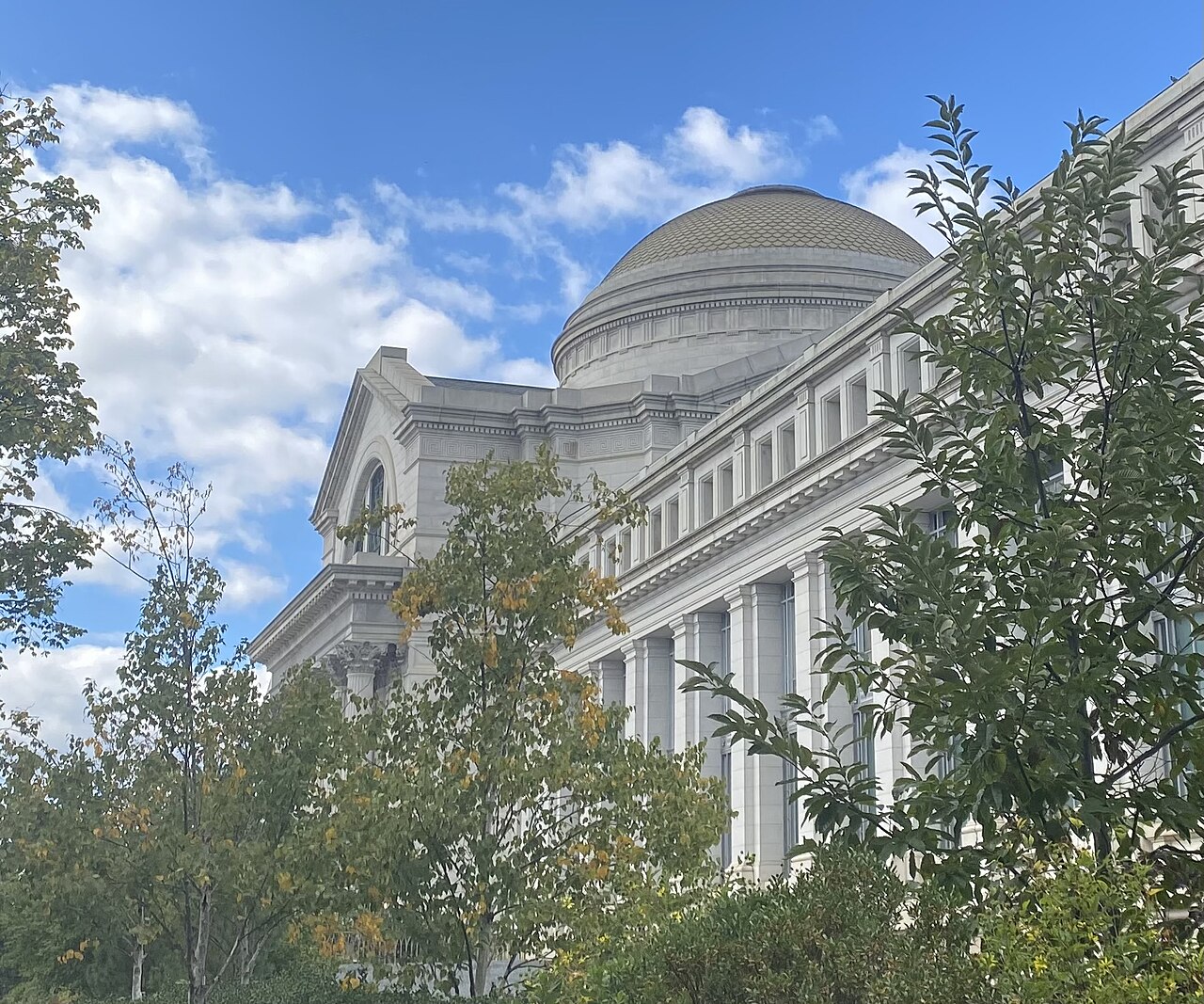
Make Natural History the anchor
The National Museum of Natural History is a useful first-day choice: general admission is free and entry tickets are not required. Its regular hours are 10am–5:30pm, with a December 25 closure. Check the current visitor page before you set out, especially if a particular gallery is the reason for coming.
Pick two or three areas from the museum map rather than beginning with an obligation to cover every floor. A child who wants to stay with one subject may get more from that hour than from a march through six galleries. Leave room for questions, toilets and a pause. Admission being free gives you permission to make the visit the right length for your family.
Decide where lunch will happen before everyone gets hungry. The museum has cafés, but their outlets and hours can differ. Its visitor guidance says bagged lunches must be kept stowed and eaten outside; there is no indoor seating for bagged lunches. A picnic therefore needs suitable weather and a backup meal plan.
After lunch, choose either a short outdoor stretch or a hotel break. You can enjoy a museum day without attaching an entire monument circuit to the end of it. If everyone has plenty of energy, extend the afternoon nearby and keep the return route simple.

Day two · Give the stories space
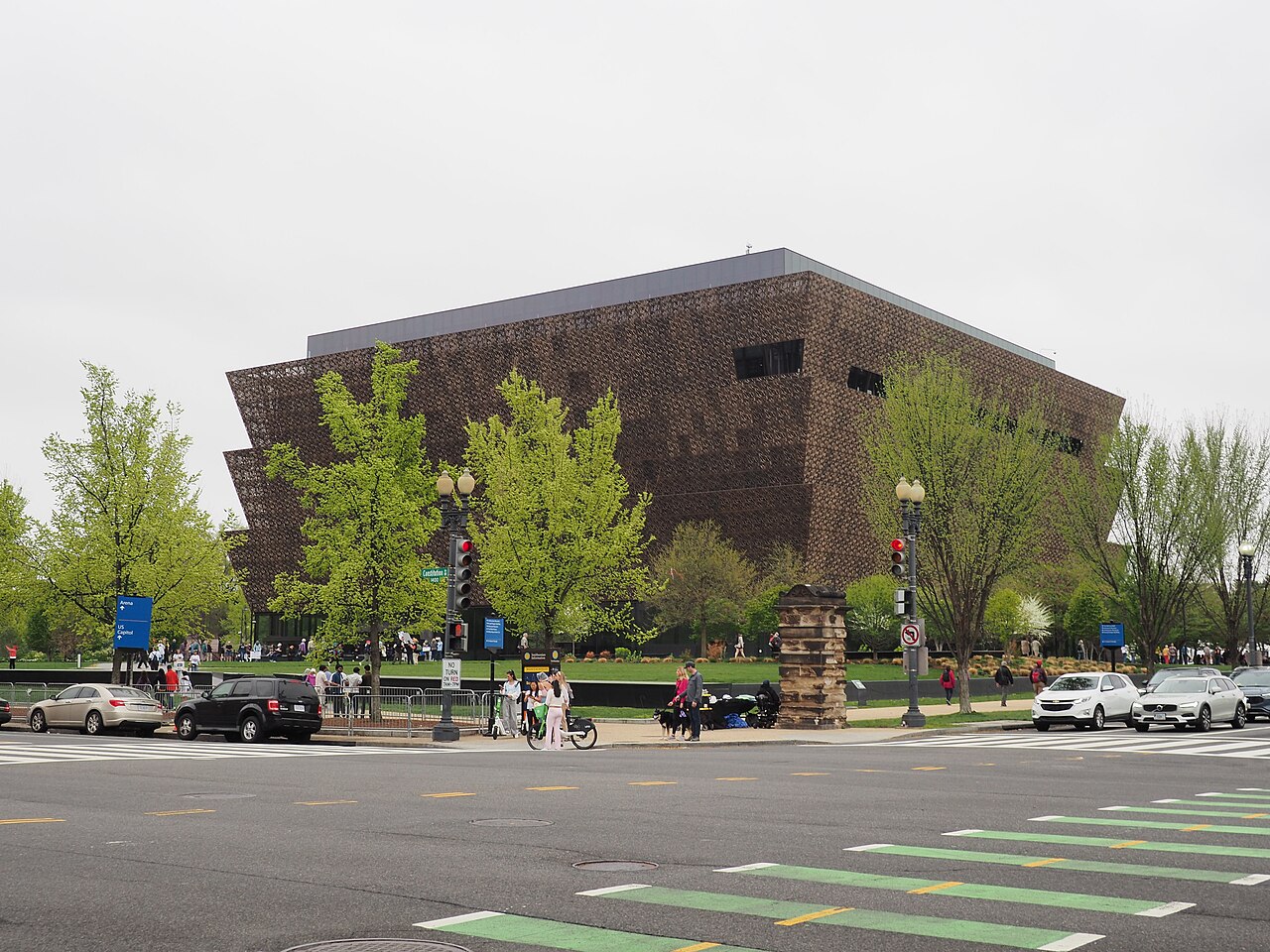
Plan African American history as its own day
Reserve your family’s free timed-entry passes through the National Museum of African American History and Culture. The museum releases advance passes on a rolling basis up to 30 days ahead. Use its own calendar and visitor instructions for your party; do not assume the rules match Natural History.
This visit deserves a different pace from a hunt for favourite objects. Talk beforehand about the histories of slavery, racism and resistance that children may encounter, and choose an approach suited to their ages and readiness. Adults may also want time to absorb what they are seeing. The goal is thoughtful engagement, not a race from the beginning of the building to the end.
Choose the areas you most want to explore, agree on breaks and keep the rest of the day light. Review the museum’s visitor FAQ for entry, dining and facilities before arrival. If passes are unavailable for your dates, rearrange the days or choose another museum. A sold-out slot should not become a reason to trust someone promising unofficial access.
Afterward, a meal and a short conversation may be a better afternoon than another major attraction. Let children ask questions without requiring an immediate polished reaction. Family travel can leave space for learning that continues after you go home.

Day three · Choose one final highlight
Air and Space, then a manageable piece of the Mall
The National Air and Space Museum in DC requires free timed-entry passes. Book the correct location: the Steven F. Udvar-Hazy Center is a separate site in Chantilly, Virginia. It is not another wing you can walk into from the Mall.
For a first central-DC family trip, the Mall location usually fits the surrounding itinerary more easily. Check the current gallery map, choose what interests your children and treat films or other paid experiences as separate decisions. You do not need every extra to have a worthwhile visit.
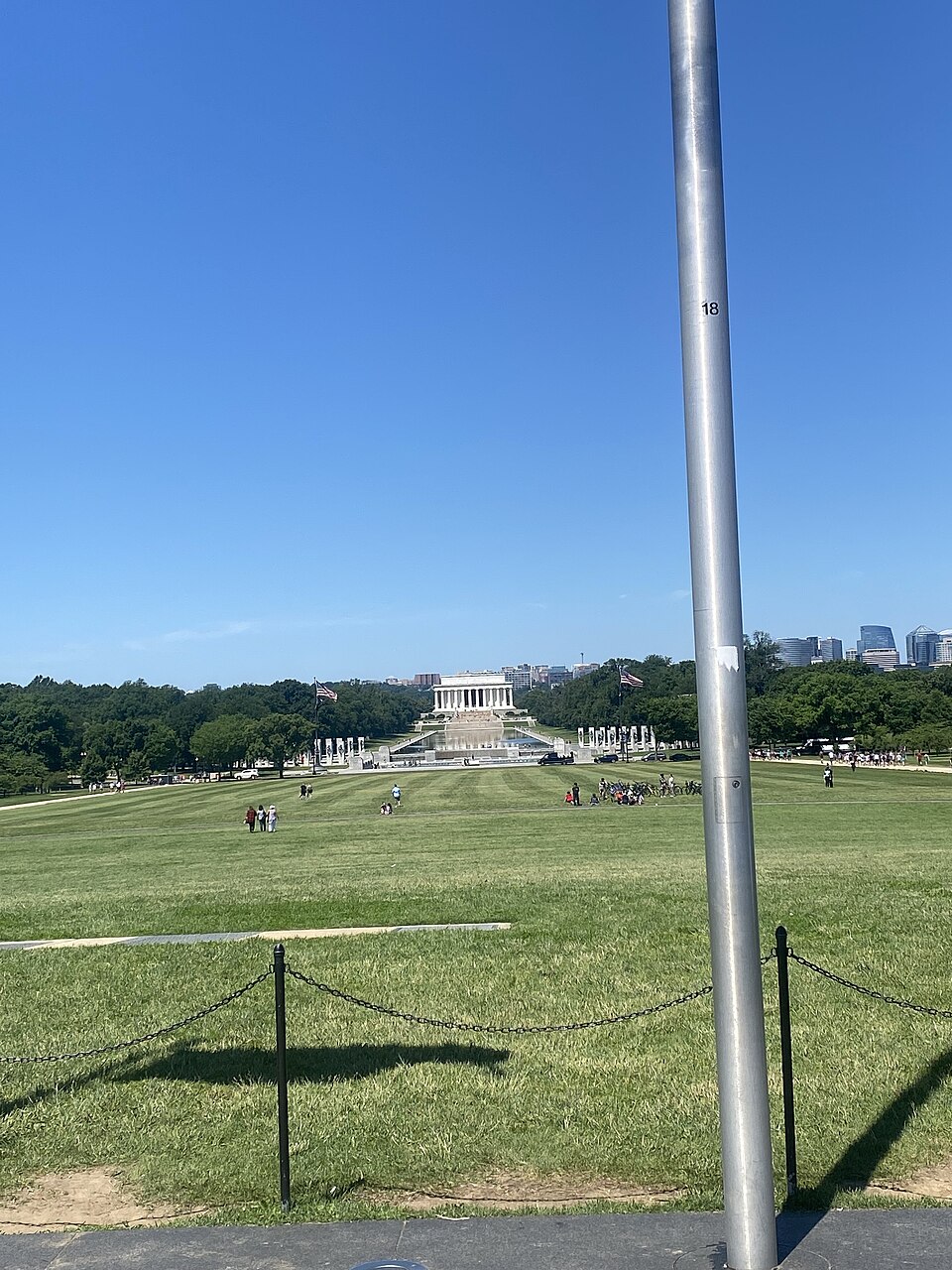
Pair the museum with one manageable outdoor outing. If the Lincoln Memorial is your priority, work out the transport or walking route as its own part of the day. The National Park Service notes that the distance from the Lincoln Memorial to the Capitol is two miles, before any museum wandering or detours. Those landmarks are not next-door neighbours just because they share a photograph.
Choose a clear endpoint and a return plan. In hot weather, prioritise shade, water and breaks; in winter, leave room to warm up indoors. Memorials are places of remembrance. Give ceremonies and other visitors space, and follow posted guidance about behaviour inside the memorial areas.
Free admission still needs a budget
Set aside money for accommodation, meals, local transport and any optional films, experiences or souvenirs. If you drive, compare the hotel’s parking charge with where the car will sit during museum days. The Smithsonian does not offer public parking facilities on the National Mall, so do not build your day around finding a museum car park.
Carry what the day needs, while checking each museum’s bag and security rules. Natural History currently has no bag or locker storage. Arrange luggage storage with your hotel before an arrival-day visit, and confirm departure-day arrangements rather than bringing suitcases to the entrance.
Check holidays, school breaks and access before you commit
Thanksgiving falls on Thursday, November 26, 2026, and Christmas Day is Friday, December 25. A federal holiday does not establish every attraction’s opening hours. Natural History lists its regular holiday opening with a December 25 exception; check the other museums separately. For a Christmas stay, give December 25 a plan that does not depend on these museum visits.
Compare school breaks where your family lives with the dates you intend to travel. Families arriving from abroad may not share the U.S. holiday calendar. Check hotel availability, restaurant hours and transport schedules for the actual dates; neither “holiday weekend” nor “school break” guarantees the same pattern everywhere.
Review each museum’s accessibility information and the National Mall’s access guidance before fixing the route. Ask about the entrance, lifts, seating and any services you need in advance. An accessible building does not automatically make the entire journey from your hotel easy.