
You’ve got a long layover. Is there time to see a little of the city, or would a shower and some sleep do you more good? I’d work that out before paying for a hotel or planning an outing.

Start here
For a hotel, start with when you can actually get into the room. For a city visit, check whether you can enter the country and how long the return journey takes. Then look at how much of the layover is left.
Can you reach the hotel legally?
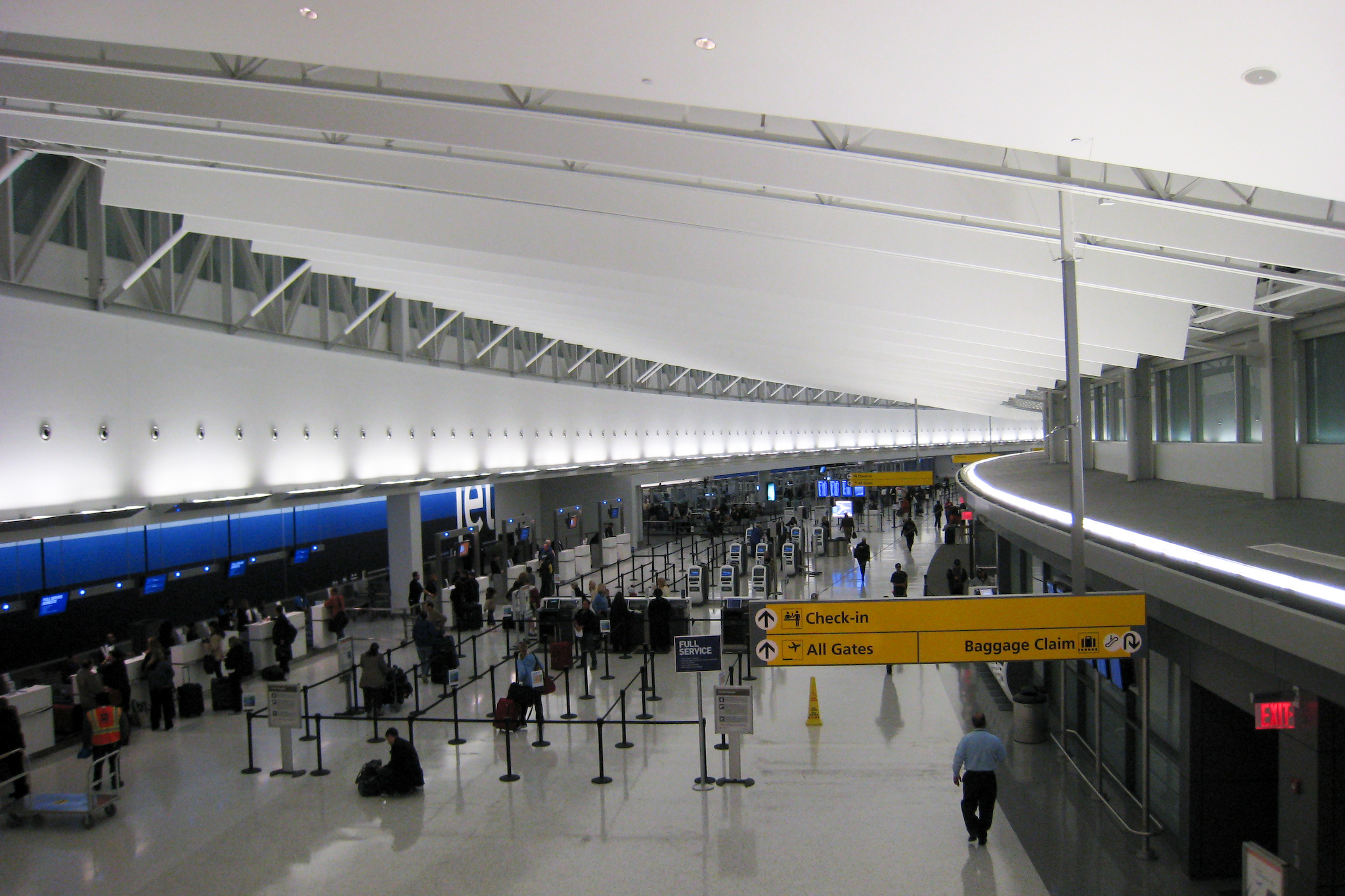
Check whether it is airside, beyond security, or landside, in the public area. An “airport hotel” label does not settle this. A landside stay may require immigration clearance; an airside room may have terminal, boarding-pass or transit restrictions.
Use the destination government’s entry guidance for your passport and itinerary. For a U.S. connection, start with State Department transit guidance. A booking confirmation does not replace the documents required for entry.
How much of the gap is yours?
Count from when you can reasonably leave the arrivals process to when your airline needs you back, then subtract both transfers, bag handling and a delay cushion. Work in local dates and times, especially across midnight.
For illustration, a ten-hour gap minus two hours of arrival processing, two hours of round-trip travel, a three-hour return allowance and one hour of contingency leaves two hours. Those are sample inputs, not airport standards. Replace them with your actual requirements.
Will the room be available then?
A morning arrival can leave you waiting hours for ordinary hotel check-in. Look for a day room or confirmed early access, and use the correct date for an overnight booking. Let the hotel know about an arrival after midnight. Read the cancellation terms before paying.
Include luggage collection, storage, shower needs and accessibility in the decision. A short shuttle ride is only useful if the shuttle operates when you need it.


Choose your priority
Rest is a valid layover plan
If the usable time is short, I’d stay close and rest. With a longer window, one neighborhood or a meal could be enough of an outing. Choose something you can enjoy without watching the clock the whole time.
What does the local calendar change?
Check official transport and venue schedules for public holidays, festivals, religious observances and school breaks at the connection point. They may affect service, opening hours, traffic and room availability. School-break dates vary by region and institution.
If visiting during an observance, check access and etiquette before setting out. Respect worship and community celebrations; do not assume a festival is open to visitors simply because it appears on a calendar.
Does the full cost still work?
Add transfers, taxes, mandatory hotel fees, storage and any separately priced facilities. Then compare the total with the hours and comfort you gain. Airport proximity, flexible cancellation and city access are benefits worth pricing separately.
Choose the city when the entry rules, usable time and transport support the outing. Choose a suitable airport stay when recovery is the priority. Stay within the permitted transit area when leaving would create a timing or entry problem.