
Yes, you can plan three rewarding days in Amsterdam without a rental car. The useful question is how to arrange your hotel, museum reservations and neighbourhood time so that getting around stays simple.
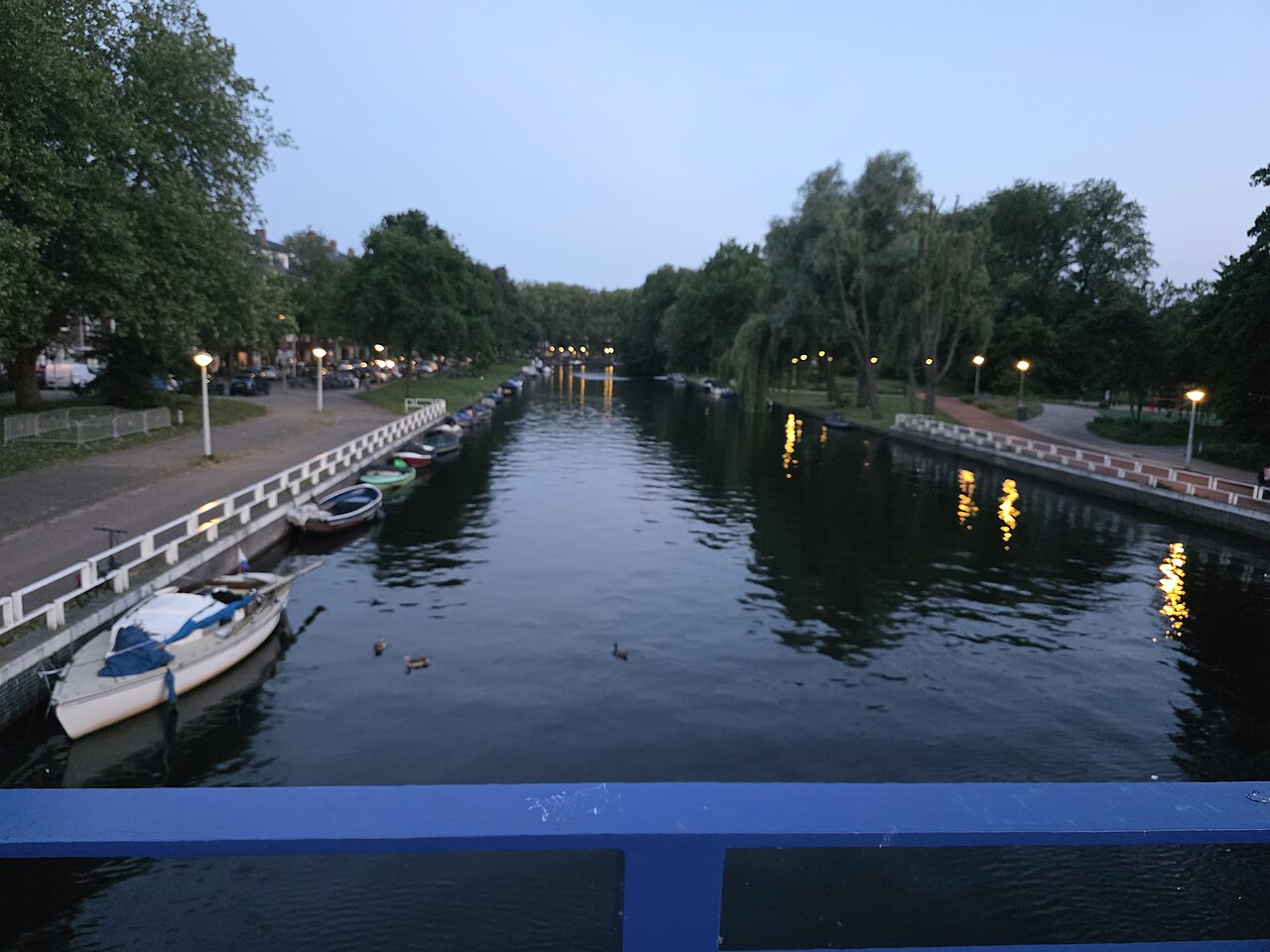

The plan in one minute
Allow three full sightseeing days, choose a hotel with a practical public-transport connection, and give each day one main area: the canal belt and Jordaan, Museumplein, then Amsterdam Noord. Book your most important museum first. Fit the neighbourhood walks around that reservation, rather than building a beautiful schedule that depends on a ticket you do not have.
First, count days honestly
Three nights do not automatically buy three full days. A late arrival followed by an early departure leaves two usable days, and a long journey may leave you wanting lunch and a nap before anything else. For this itinerary, day one begins after you have checked in or stored your bags. If arrival uses most of that day, add a night or drop the Noord excursion. Nobody gets a prize for reaching a museum exhausted.
It suits travellers who want a mix of art, streets and waterfront time. Families can shorten each museum visit; travellers who prefer slow mornings can move the first reservation later. The structure matters more than the clock.
Where to stay when you are skipping the car
Start with the journey from the station or airport to the hotel door. A property near a useful tram or metro stop can work better than one whose address looks closer to every attraction. The canal belt or Jordaan puts neighbourhood wandering close at hand; the Museum Quarter makes sense if art is your priority. Compare the actual route for each shortlisted hotel, including the walk with luggage.
Ask about a lift, steps at the entrance, room access and luggage storage before booking. “Historic building” can describe the charm and the challenge in the same sentence. If quiet matters, ask which room categories face away from busy streets or nightlife. A cheaper room that makes sleep difficult is not automatically better value.
Arrival: choose the connection for your hotel
Schiphol has rail and bus connections, and its official guidance describes an Amsterdam Travel Ticket covering city public transport plus travel to and from the airport. Check the exact product, route and validity before buying. Do not assume every pass with “Amsterdam” in its name includes the same operators or airport journey. Use the airport’s public-transport page to start your comparison.
If you arrive by international train, plan from your actual arrival station. Check engineering works and the final connection shortly before departure. For a late arrival, heavy luggage or access needs, compare a prearranged transfer with public transport on practicality as well as cost. Skipping a rental car still leaves you choices.
Canal belt and Jordaan: settle into the city
Keep the first day geographically compact. Walk a manageable stretch of the canal belt, stop for lunch, and give the Jordaan an unhurried afternoon. Choose a short loop you can comfortably retrace or finish near a transport stop. The point is to notice the city, not to prove that you crossed it.
If the Anne Frank House is essential, its available time slot should determine this part of the route. The museum sells timed tickets only through its own website and releases tickets on Tuesdays for visits six weeks later. Its page states 10am CET; consult the live booking page for the release relevant to your dates and confirm the time conversion where you live. A separate walking tour does not automatically include museum entry.
Leave space after this visit. The history deserves attention, and scheduling an immediate rush to the next attraction can feel jarring. If tickets are unavailable, keep the neighbourhood walk and select another activity on its own merits. Do not spend the day hunting for a promised back door to a sold-out reservation.
For an optional canal cruise, compare the boarding point, duration, weather protection and boarding steps before paying. Choose an operator whose departure fits your day. A convenient pier and suitable boat can matter more than a longer route. Make dinner the final decision rather than another cross-city mission.
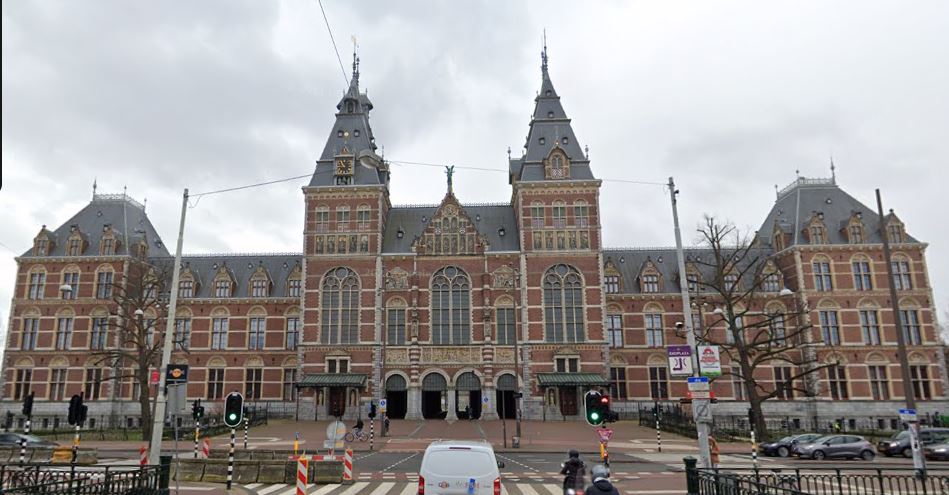

Museumplein: one major museum, then breathing room
Anchor the second day with the Rijksmuseum. Its published regular hours are 9am to 5pm every day, including public holidays. Most visitors need a booked start time, including many pass holders. The museum lists adult admission at €25 for 2026 and €26.50 from 2027. Check your own ticket category before payment; inclusion in a pass does not necessarily remove the reservation step.
Choose a few collections or works that interest you and leave room to explore. A museum visit becomes much more enjoyable when lunch is part of the plan. Afterward, use the afternoon for a café, a weather-dependent park walk or another nearby stop. Add a second major museum only if that is how you actually enjoy travelling.
With children or a mixed-interest group, agree on an exit point before going in. Two people can spend longer in the galleries while others take a break, provided everyone has a clear meeting place. Check ticket re-entry rules first rather than assuming you can leave and return.

Amsterdam Noord: cross the IJ, change the pace
Head toward the rear of Amsterdam Centraal for a ferry across the IJ. The IJ ferry crossings are free. Buiksloterweg serves the waterfront around Eye Filmmuseum; NDSM is a different ferry destination. Pick the area you want to explore before joining a boarding queue, and read the destination board.
For a lighter final day, make the crossing itself part of the outing, then choose a waterfront lunch and one activity. If a film, exhibition or attraction is important, verify its opening hours and book separately where required. The public ferry is transport, so do not expect a guided canal tour.
Keep the return flexible and protect your departure connection. If this is also your flight or international-train day, substitute a local morning near the hotel. An excursion is optional; collecting your bags and reaching your booked departure are not.
When the calendar changes the plan
For winter trips, December 25 and 26, 2026 and January 1, 2027 are official Dutch public holidays. For spring, Easter Sunday and Monday fall on March 28–29, 2027, and King’s Day is Tuesday, April 27. Treat these as prompts to check restaurant hours, transport and hotel availability. They do not mean every museum closes: the Rijksmuseum explicitly lists year-round opening.
King’s Day needs a separate itinerary. Previous editions brought heavy crowds and transport changes, so avoid treating that date as an ordinary museum-and-transfer day. Exact 2027 diversions and event arrangements still need confirmation. School breaks also depend on the traveller’s home calendar and the destination’s regional schedules; check both before committing to non-refundable dates.
Make the route fit your body and budget
Bridges, walking distances and building entrances deserve the same attention as admission prices. The Anne Frank House’s historic section has steep stairs and is not wheelchair accessible; review the museum’s accessibility guidance before booking. Check accessible transport stops and hotel entrances individually. Reduce walking by grouping stops, and budget for a suitable transfer if necessary.
Price the attractions you actually want before buying a sightseeing pass. Include accommodation, airport travel, local transport, meals and any cruise as separate lines. This guide promises neither a cheapest month nor guaranteed ticket availability. It offers a route you can adjust without renting a car.
For another compact European itinerary, explore our four-night Porto guide. If Amsterdam is the one, Plan My Trip: send your dates, departure location, number of travellers, hotel budget and access needs. We can start with a base that supports the trip you want to have.