
SGC Travel Journal · Philadelphia Field Guide
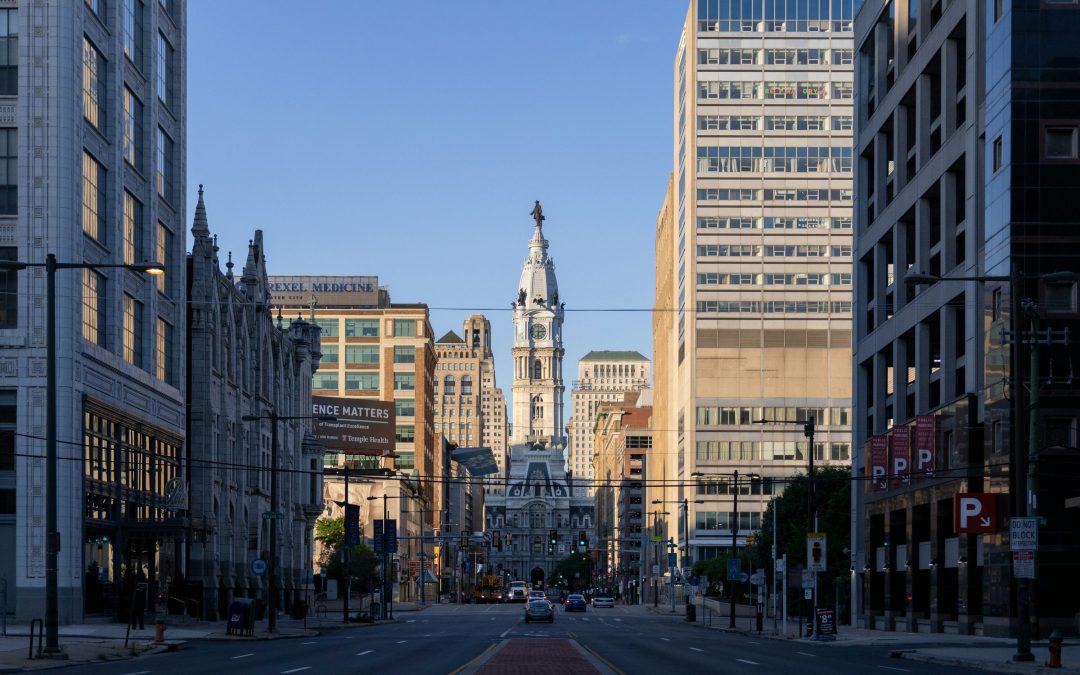
Do you need a car in Philadelphia? If your weekend is mostly Center City, Old City, and the Parkway, probably not. Philly can be a walking city, a transit city, and a “let me check the route before I promise you that’s walkable” city. Here’s how to decide before you pay for a rental and parking.
I’m from Philadelphia, so I know the city can look small on a map and still ask you to make some choices. The useful question is not just “Can I get around without a car?” It’s “Where am I sleeping, what am I trying to see, and how much time do I want to spend moving between it all?”
Jump to the car quiz Want to decide after you see the options? The six-question quiz is near the end.
Getting into the city from the airport
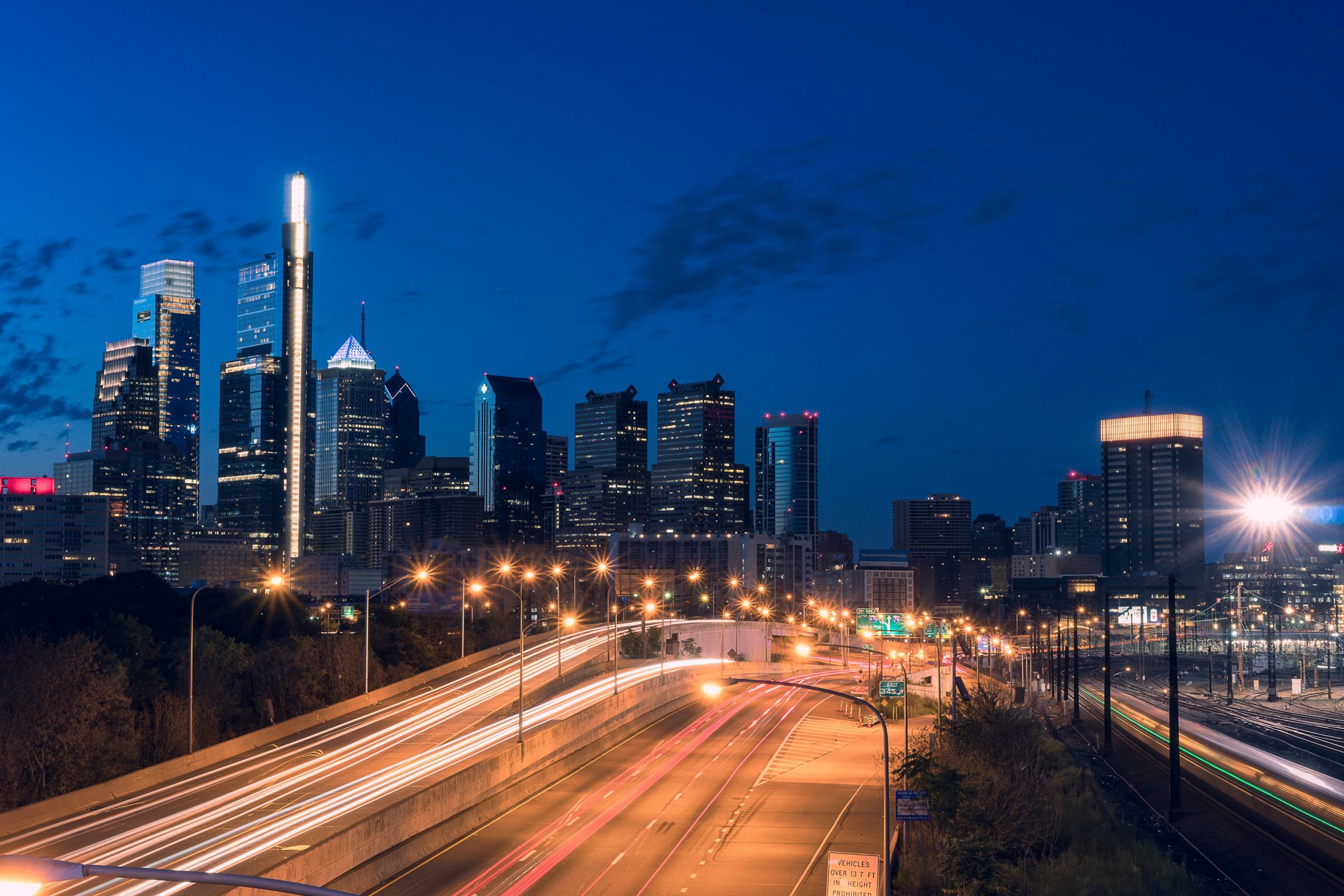
Philadelphia International Airport has a direct SEPTA Regional Rail connection to Center City. The airport says trains run every 30 minutes and that all Airport Line stations are wheelchair accessible. The line stops at the airport terminals and connects with major city stations, including 30th Street, Suburban, and Jefferson. Check the current Airport Line timetable and current fares and payment rules before you travel, since times and prices can change.
If the train fits your arrival time, hotel location, luggage, and access needs, it can make the rental-car question much easier: you may be able to get into town, check in, and start your visit without driving. If you arrive late, have several bags, or need a specific accessible transfer, compare the train with a prearranged car or rideshare for that first leg. The best plan is the one that works for your actual arrival, not an abstract “cars are bad” rule.
PHL publishes its public transportation details, including Airport Line frequency and station information. Confirm the live SEPTA schedule and service alerts close to departure.
The apps that make a car-free visit easier
You do not have to download every transportation app before you come. Start with SEPTA for trains, buses, and subway routes. Then keep a rideshare option handy for the trip that is too late, too long, or simply not the walk you want to take. If you are flying in for a city-focused stay, that can be enough. You can get from the airport, move around town, and leave the rental-car decision off your list.
SEPTA, the regional transit system
SEPTA stands for Southeastern Pennsylvania Transportation Authority. It runs the region’s public transportation, including buses, trolleys, subway lines, and Regional Rail. Use the official app to plan trips, check real-time arrivals and service alerts, and manage SEPTA Key. Download it before your trip, then confirm fares and your specific route close to travel.
Philly PHLASH visitor shuttle
The Philly PHLASH is a seasonal shuttle for visitors, with stops near popular attractions from the Historic District toward the Parkway and Fairmount Park. Check whether it is running during your dates, then use its official site for the route, schedule, fares, and live vehicle information. There is no need to rely on a separate PHLASH app.
Lyft or Uber
Keep one rideshare app available for airport arrivals, late evenings, luggage, or a trip when transit and walking are not the best fit. Compare the quoted fare and pickup details before you request a ride. Availability and prices can vary.
Lyft for iPhoneLyft for AndroidUber for iPhoneUber for Android
Taking a side trip into New Jersey? PATCO means Port Authority Transit Corporation. Its trains connect Center City Philadelphia with Camden and other South Jersey stations. For Camden Waterfront destinations such as Adventure Aquarium or Battleship New Jersey, check the final leg too: the Battleship’s visitor information describes connections from PATCO’s Broadway/Rand Transportation Center station. Check PATCO routes and schedules and the Camden Waterfront directions.
A simple setup: install SEPTA, choose Lyft or Uber if you use rideshare, and bookmark PHLASH. If you prefer one transit map for multiple cities, the Transit app download page lists its iPhone and Android options too.
Choose your home base before you choose your transportation
It is easy to treat the hotel and the rental car as separate decisions. They are not. A hotel that lines up with your plans can save more time than a car that sits in a garage while you explore the city. Philadelphia has distinct neighborhoods; you do not need to cross the whole map every time you want dinner.
Center City and Rittenhouse
A useful all-round base if your list mixes restaurants, shopping, museums, and downtown sights. Center City is broadly walkable, but check the exact hotel address against the places you care about. “Center City” covers a lot of ground.
Old City
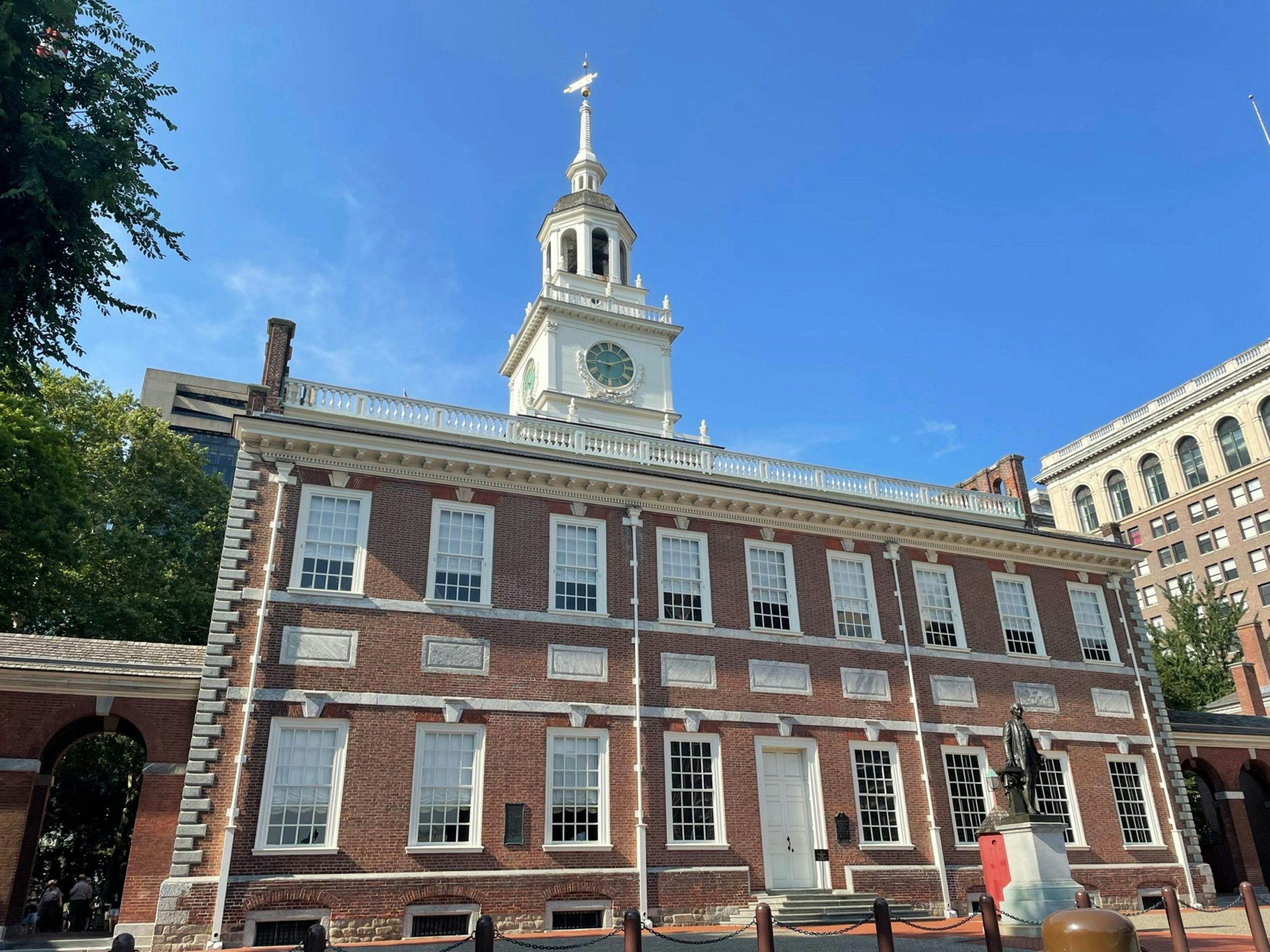
A natural fit when the Liberty Bell, Independence Hall, and historic streets are the main reason for the visit. Several sights cluster together, so you can spend a day exploring without moving the car at all. For Independence Hall tours, check the National Park Service ticket rules for your specific date.
The Parkway and Museum District
Consider this area if art, museums, and the Benjamin Franklin Parkway anchor the trip. It is not the same as sleeping next to the Historic District, so look at the distance to your evening plans and decide whether you are comfortable walking or want SEPTA or a visitor shuttle.
Visit Philadelphia describes much of Center City as quicker and more enjoyable to explore on foot or by bike than by driving. That is a helpful starting point, not a promise that every hotel, restaurant, and attraction is a five-minute walk away. Look at the map before you book. Pay attention to where your days begin and end, and how much walking your group wants to do.
A museum day along the Parkway
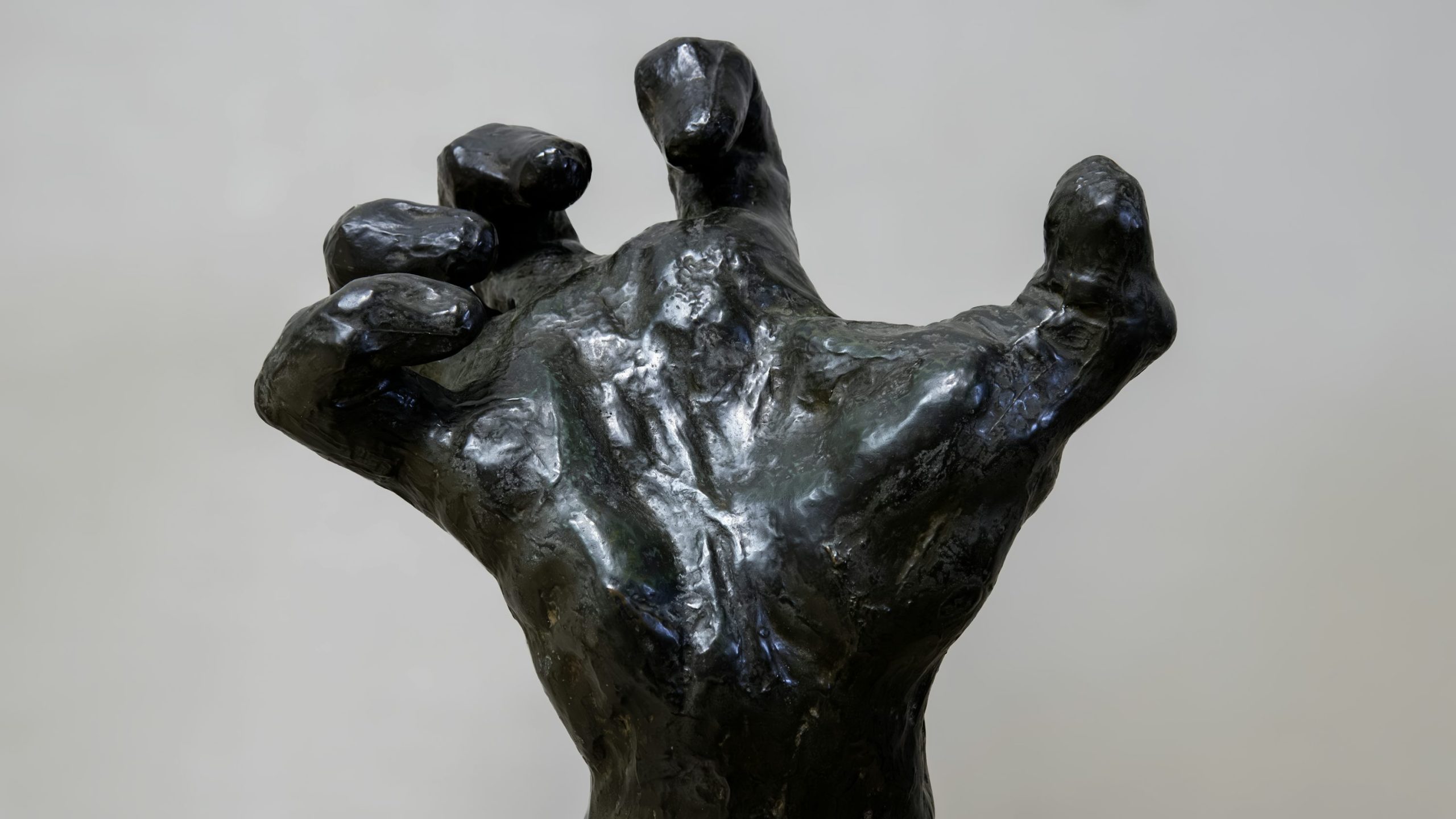
The Benjamin Franklin Parkway leads from the City Hall area toward the Philadelphia Museum of Art, with several good stops along the way. The Franklin Institute is a hands-on science museum; the Barnes Foundation and Rodin Museum are options for art; and the Philadelphia Museum of Art is the big destination at the Parkway’s end. You can choose one or two based on your interests instead of trying to fit every museum into one afternoon. Visit Philadelphia’s Parkway guide gives an overview of the district.
The Academy of Natural Sciences was one of my favorites, so I want to flag this clearly for visitors: its museum galleries closed to the public on September 30, 2026. The Academy continues its research and educational work, but it is no longer a stop for a regular museum visit. Check the Academy’s current visitor information before making plans.


A two-day, no-car starter plan
This is a framework, not a race. Philadelphia rewards a little breathing room. If you turn the trip into a scavenger hunt across four neighborhoods a day, you may see every landmark and enjoy none of them.
Day one: Old City and the Historic District
Start with Independence National Historical Park and the places clustered around it. If a tour inside Independence Hall is important, reserve through the official ticketing channel when required and confirm the hours for your visit date. The NPS currently lists an early open-house period and timed tours later in the day; those details can change by season. Build in time for security screening, the Liberty Bell Center, and a meal or coffee break. Keep the rest of the afternoon nearby instead of zigzagging across town.
Day two: Center City, City Hall, and the Parkway
Pick one or two anchors: a museum, a walk along the Parkway, a market stop, or a performance. Use SEPTA or the seasonal PHLASH visitor shuttle for longer jumps if its current route and schedule line up. The Philly PHLASH is a seasonal visitor shuttle with stops near several Center City and Parkway attractions. Its operating days, route, and stops can change with the season, events, and road closures, so check the operator’s current schedule and service alerts before you plan the day around it.
That plan works because the city does not require you to have a car to move between its best-known visitor areas. It does require you to be a little strategic. Group nearby activities, check hours, and use transit or a short ride when the walk is longer than you want.
When renting a car does make sense
A car becomes more useful when Philadelphia is your base for a broader Pennsylvania or multi-state trip, when you are visiting several places outside the city, or when your schedule requires stops that do not connect conveniently by transit. It can also make sense for a particular traveler or group based on mobility, equipment, luggage, or personal comfort. Those needs are individual; a car is one option to compare, not a universal accessibility solution.
If you need a vehicle for only one day, consider renting for that day rather than automatically keeping it for the whole stay. Compare the pickup location, parking at your hotel, parking near the places you plan to visit, rental fees, and the time you would spend driving. Then compare that total with transit and rideshare for the same itinerary. Check current prices before you make the call.
For a trip that is mostly Center City, a rental car can add a second vacation to your vacation: finding the garage, paying to store the car, and deciding whether it is worth moving for every short trip. If your answer to the quiz landed on “mostly city,” you likely do not need to volunteer for that part.
A quick accessibility and comfort check
If step-free routes, limited walking, or elevator access matter to your group, plan the actual route and hotel details before you book. Philadelphia International Airport says every station on the Airport Line is wheelchair accessible. That does not mean every station on every SEPTA line has identical access, so confirm the stations, transfers, elevator status, and destination entrances for the route you plan to take. Independence National Historical Park also lists an accessibility ramp to the Independence Square security entrance on Fifth Street.
Philadelphia’s historic sidewalks and blocks can be busy, and a route that looks short on a screen may feel different with crowds, weather, or mobility needs. Use the quiz result as a starting point, then tailor the trip around your party. More control over the plan is more helpful than a blanket answer.
A car is a tool for the trip you planned. It is not an admission ticket to Philadelphia.
Take the six-question car quizOpen for a personalized starting point
Your Philadelphia transportation recommendation
Think about the trip you actually want, not the one that sounds impressive in the group chat. Choose one answer for each question. You’ll get a practical starting point, not a commandment.
Want help fitting the trip to your people?
Send your dates, who is traveling, where you want to go, how much walking works for your group, and whether you expect to leave the city. I can help you compare a car-free city stay with a mixed city-and-region plan. You do not need to have every answer figured out before you ask.
Plan My TripPlanning resources
- Visit Philadelphia: Center City
- Visit Philadelphia: Getting Around
- Philadelphia International Airport: Public Transportation
- SEPTA: Airport Line Schedule and SEPTA: Current Fares
- PHLASH: Current Route, Schedule, and Alerts
- PATCO: South Jersey and Philadelphia train routes
- Visit Philadelphia: Benjamin Franklin Parkway museums and attractions
- Academy of Natural Sciences: current institutional information
- National Park Service: Visiting Independence Hall and ticket information
Transportation schedules, fares, access details, seasonal shuttles, attraction hours, and ticketing can change. Information checked November 20, 2026. Confirm the current details for your travel dates.